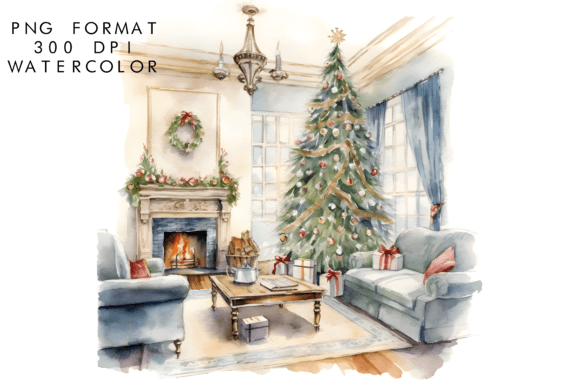
Review: Watercolor Cozy Christmas House for Holiday Embroidery
As a designer who spends more time staring at stitch simulations than most people care to admit, I approach every new machine embroidery design with a mix of excitement and skepticism. We have all seen those digital previews that look stunning on a screen but turn into a tangled mess of thread breaks and puckering once they hit the fabric. That is why I was particularly interested in putting the Watercolor Cozy Christmas House through its paces. This isn't just about whether it looks cute; it is about whether it holds up under the needle when you are trying to build a reputable craft business or create a meaningful personalized gift.
First Impressions: Mood and Visual Personality
The moment I loaded the digital embroidery file into my editing software, the first thing that struck me was the mood. True to its name, this piece captures that soft, nostalgic feeling of a winter evening without relying on harsh lines or overly rigid geometry. As an Illustrations category item, it leans heavily into artistic expression rather than technical precision, which is a double-edged sword in embroidery. The layout suggests a charming, storybook aesthetic that feels incredibly inviting.
Visually, the design relies on a blend of fill stitch areas to create those watercolor-like gradients and softer edges, likely supported by running stitch details to define the rooflines and windows. For a holiday project, this is exactly the kind of visual personality that sells. It doesn't scream "mass-produced"; it whispers "handmade with care." However, from a technical standpoint, watercolor effects in thread can be tricky. They require careful color blending to avoid looking muddy. My initial assessment is that this design succeeds in creating warmth, but it demands respect regarding fabric choice and stabilization.
Real-World Application: The Tote Bag Test Case
To truly evaluate the Watercolor Cozy Christmas House, I imagined a specific real-life scenario that many Etsy sellers and boutique owners face during the fourth quarter: the custom holiday tote bag. Imagine a customer ordering a set of five bags for their family's gift exchange. They want something festive but sophisticated enough to be reused throughout the winter season.
In this context, the design shines. Placed centrally on a canvas or heavy cotton tote, the house motif becomes the focal point. The scale of the illustration fits perfectly within a standard 5x7 or 6x10 hoop, allowing for enough detail in the chimney smoke and window glows without overcrowding the bag's surface. When stitched out, the texture of the thread adds a tactile dimension that a printed graphic simply cannot achieve. Customers interacting with this finished product in a store or receiving it as a holiday gift are likely to perceive higher value because of the visible stitch quality and the unique charm of the house imagery.
Beyond totes, I could see this working beautifully on sweatshirt embroidery for matching family pajamas or on a linen tea towel for a hostess present. The cozy theme translates well across these mediums, provided the fabric weight supports the stitch density.
Technical Considerations and Fabric Compatibility
While the aesthetic is strong, we must talk about where this design requires caution. Watercolor-style designs often utilize varying stitch directions to mimic brushstrokes. On stable fabrics like twill, denim, or heavyweight cotton, this is rarely an issue. However, if you attempt this on a stretchy knit without proper backing, or on a textured fleece that hides fine details, you might lose the definition of those delicate watercolor transitions.
There are specific scenarios where you need to proceed carefully:
- Dark Fabrics: If the design relies on light pastel threads to achieve the watercolor look, stitching directly onto black or navy fabric will result in poor contrast unless the digitizer included a solid underlay or background fill. Always check the thread list.
- Small Hoop Sizes: If you are trying to fit this onto a cap or a small pocket, ensure the details don't become too dense. Tiny lettering or intricate corners can bunch up if scaled down too far.
- Curved Surfaces: Applying this to a structured cap requires excellent hooping technique. The curved surface can distort the straight lines of the house foundation if the stabilizer isn't robust enough.
- Frequent Washing: Items like kitchen towels or baby clothes undergo rigorous washing. Dense stitch areas, common in illustrative designs, can become stiff over time. A high-quality cut-away stabilizer is non-negotiable here to maintain the shape of the house after multiple cycles.
Enhancing Brand Value and Customer Trust
For small shop product creators, the choice of design assets directly impacts brand consistency. Using a generic, clip-art style house might save time, but it rarely commands a premium price. The Watercolor Cozy Christmas House, with its nuanced approach, elevates the perceived quality of your custom apparel or home decor line. It signals to the buyer that you care about the artistic merit of your work.
When customers see a well-executed embroidered patch or a detailed tote bag design that features complex shading and thoughtful composition, their trust in your brand increases. They aren't just buying a product; they are buying the skill and curation behind it. This design has the potential to become a signature element for a holiday collection, helping your items stand out in a crowded marketplace of flat, printed graphics.
Practical Notes for the Professional Stitcher
Before you commit to stitching this on a client's expensive garment, here is my professional advice for ensuring success with this specific file:
- Test on Scrap First: Never skip the stitch-out test. Use the exact fabric and stabilizer combination you plan to use for the final product. This reveals if the stitch density causes puckering.
- Check Thread Contrast: Review the suggested color chart against your actual thread inventory. Sometimes digital colors do not translate perfectly to physical thread spools, especially in watercolor blends.
- Verify Hoop Size: Confirm the maximum dimensions of the design match your machine's capabilities. Do not assume it fits a 4x4 hoop just because it looks small on screen.
- Inspect Small Details: Zoom in on the digital preview. Look for tiny islands of stitches or extremely short runs that might cause thread breaks.
- Review Licensing: Since this is intended for potential commercial use, always confirm the license terms provided with the download. Ensure you are cleared to sell finished items or if there are restrictions on the number of units.
- Mockup Testing: Create a black-and-white mockup of the design on your product photos. This helps you judge the value contrast independent of color, ensuring the image reads clearly even from a distance.
In conclusion, the Watercolor Cozy Christmas House is a compelling addition to any holiday embroidery project library. It balances artistic flair with practical application, making it suitable for everything from baby embroidery to high-end boutique decor. While it requires a mindful approach to fabric selection and stabilization, the resulting handmade product offers a level of charm and professionalism that resonates deeply with customers. For the creative entrepreneur looking to add a touch of warmth to their winter offerings, this design is definitely worth the thread.