Santa Claus Wrapped in Christmas Lights Review
As a designer who spends more time staring at stitch previews than I do sleeping during the holiday rush, I approach every new machine embroidery design with a healthy dose of skepticism. We have all seen those festive files that look adorable on a screen but turn into a tangled mess of thread breaks and puckering once they hit the hoop. That is why I took a close look at the Santa Claus Wrapped in Christmas Lights illustration before committing it to any client project. This isn't just about whether it looks cute; it is about whether it can withstand the rigors of a real-world embroidery project and deliver a finished product that builds trust with your customers.
First Impressions: Mood and Visual Personality
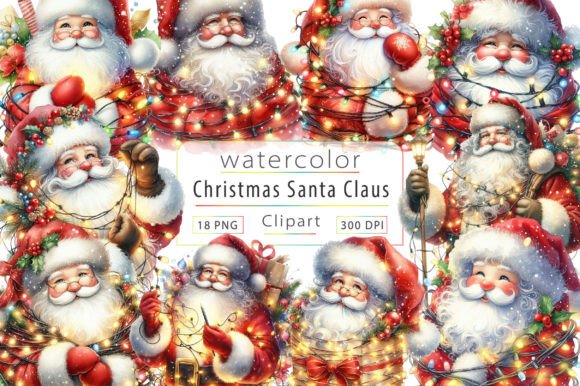
The moment you load the Santa Claus Wrapped in Christmas Lights file into your digitizing software, the mood is immediately set. It captures that specific, cozy chaos of the holidays where everything is slightly tangled but undeniably joyful. As an Illustrations category piece, it relies heavily on character expression and flow rather than rigid geometric symmetry. The layout feels organic, with the lights weaving around Santa in a way that suggests movement. For a craft business owner, this visual personality is gold. It moves away from the stiff, traditional Santas we see everywhere and offers something that feels modern and hand-drawn. However, from a technical standpoint, this organic flow means you need to pay close attention to how the stitch density is handled in the curved areas of the light strands.
Real-World Application: The Holiday Tote Test
To truly evaluate this design, I imagined a specific scenario: creating a limited run of canvas tote bag design options for a local boutique's holiday collection. The goal was to create a personalized gift option that shoppers could grab quickly. The Santa Claus Wrapped in Christmas Lights motif fits perfectly here. On a natural or cream-colored canvas, the vibrant thread colors required for the lights pop beautifully against the texture. Unlike a dense block of satin stitch that might make a tote bag stiff, this design likely utilizes a mix of running stitch for the wires and fill stitch for Santa's suit, allowing the fabric to retain some drape.
If I were selling this as a small shop product, I would also consider it for sweatshirt embroidery. The whimsical nature of the design complements the casual vibe of fleece or French terry. Imagine a heather grey hoodie with this design centered on the chest; it instantly elevates a basic garment into a statement piece. For Etsy sellers, this versatility is crucial. You aren't locked into one type of merchandise. You could easily adapt it for an embroidered patch to be ironed onto denim jackets, or scale it down for a pocket detail on an apron. The key is recognizing that the "wrapped" aspect of the design creates a natural border, making it self-contained and easy to place on various items without needing additional decorative elements.
Technical Considerations and Fabric Challenges
While the aesthetic appeal is high, practical execution requires caution. The intricate nature of lights wrapped around a figure introduces potential pitfalls, especially regarding hoop size and fabric choice. If you are working with a textured fabric like a waffle knit or a thick towel, the fine details of the light bulbs might get lost. In these cases, I recommend testing the design on a scrap piece first. You might find that the stabilizer needs to be heavier than usual to prevent the fabric from sinking into the stitches, which can obscure the definition of the lights.
Another critical area is stretchy fabric. If you plan to use this for baby embroidery on a onesie, the stretch of the knit combined with the density of the light strands could cause distortion over time. A cut-away stabilizer is non-negotiable here. Furthermore, if you are stitching on dark fabric, you must verify that the digitizer included proper underlay stitches. Without them, the black background might peek through the reds and greens of the lights, ruining the illusion of glowing bulbs. For curved surfaces like caps, the horizontal spread of the lights might be too wide for a standard cap frame, so check your maximum stitch width before purchasing the embroidery file.
Impact on Brand and Customer Perception
In the world of commercial embroidery, consistency is everything. Using a high-quality design like Santa Claus Wrapped in Christmas Lights signals professionalism. When a customer receives a handmade product where the stitches are crisp and the colors are vibrant, it reinforces their trust in your brand. Conversely, a design that pulls or gaps can damage your reputation instantly. This specific design, with its clear separation between the character and the decorative lights, tends to stitch out cleanly if the machine tension is correct. It adds value to the item because it looks custom-digitized rather than like a generic clip-art conversion.
For those creating printable mockup assets or digital previews for their online stores, this design offers excellent visual interest. The interplay of the lights creates natural focal points that draw the eye in photos, potentially increasing click-through rates on listings. Whether you are marketing holiday embroidery gifts or year-end corporate apparel, the universal appeal of Santa mixed with the nostalgia of tangled lights resonates with a broad audience.
Final Designer Notes and Best Practices
Before you start churning out inventory, there are a few housekeeping items to address. First, always check the license terms associated with the digital embroidery file. Some designers allow unlimited sales of finished physical goods but restrict the sale of the file itself or its use in certain large-scale commercial contexts. Second, review the thread colors suggested in the file. While you can customize them, the original palette was likely chosen to ensure contrast and readability. If you decide to change the light colors to match a specific brand identity, ensure you maintain enough contrast between the wire and the bulb.
It is also wise to stitch a test run in black and white or grayscale. This helps you identify any areas where the stitch density is too high or where details might merge together without the aid of color differentiation. Pay special attention to the tiny corners where the lights loop; these are common spots for bird-nesting if the trim settings aren't optimized. Finally, consider the washability of the finished product. Items like kitchen towels or baby clothes will undergo frequent laundering. Ensure that the outer edges of the design are well-tacked, perhaps with a subtle border or a tight satin column, to prevent fraying after multiple washes.
The Santa Claus Wrapped in Christmas Lights design is a strong contender for your holiday lineup. It balances charm with technical feasibility, provided you respect the limitations of your materials and machinery. By treating it with the care it deserves—testing on scraps, choosing the right stabilizer, and understanding its best applications—you can turn this single design asset into a profitable and beloved part of your seasonal collection.