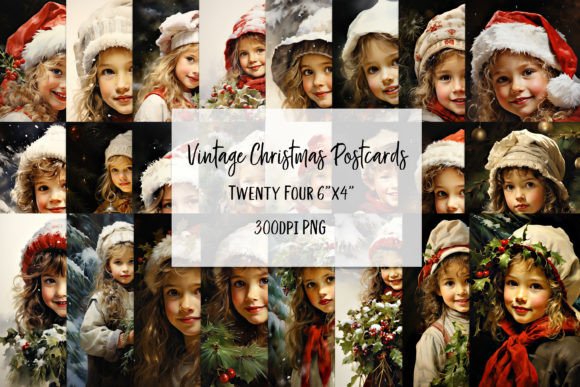
Vintage Children at Christmas Postcards: Illustrations
As a blog designer who has spent years curating visual assets for high-traffic editorial sites, I approach every new graphic design asset with a critical eye. It is not enough for an image to be pretty; it must perform. When I first opened the collection titled Vintage Children at Christmas Postcards, my immediate reaction was one of nostalgic warmth mixed with professional curiosity. These are not just random holiday clips; they are curated Illustrations that carry a specific emotional weight. For publishers, content creators, and affiliate marketers, the mood an image sets within the first three seconds of a page load can determine whether a reader stays or bounces. This collection exudes a classic, storytelling vibe that feels deeply lifestyle-focused yet artistic enough to elevate a standard blog post into something that resembles a printed magazine spread.
Setting the Editorial Tone for Holiday Content
The primary strength of Vintage Children at Christmas Postcards lies in its ability to instantly establish trust and familiarity. In the crowded landscape of digital content, readers are often fatigued by overly polished, sterile stock photography that feels disconnected from real human experience. These vintage-style graphics offer a reprieve. They suggest tradition, family values, and timeless joy. For a blogger covering topics like family traditions, holiday recipes, gift guides, or historical Christmas facts, this aesthetic is gold. It supports a narrative that is gentle, inviting, and emotionally resonant. Unlike modern, bold, or minimalist designs that scream for attention, these images whisper, drawing the reader in with a sense of shared memory. This makes them particularly effective for niches that rely on building a community around shared values and seasonal celebrations.
Integrating Assets into a Real Publishing Workflow
From a practical standpoint, the versatility of this collection is impressive for anyone managing a content calendar. I envision using these graphics across a wide spectrum of publishing touchpoints. For blog graphics, they serve as exceptional featured images that stand out in archive grids without looking cluttered. Because the style is inherently decorative, they work beautifully as website header backgrounds when overlaid with a semi-transparent color block to ensure text readability.
For social media strategists, these images are ready-made Pinterest pin templates. The vertical composition of many postcard styles fits the platform's native format perfectly, allowing for bold typography overlays that drive clicks to seasonal affiliate posts. Furthermore, for those creating digital products, such as holiday planners, recipe eBooks, or printable ornaments, these illustrations provide a cohesive visual theme that ties the product together. They can be used as chapter dividers in a digital guide, as decorative borders in a Canva template kit, or as the central focus of a lead magnet cover designed to grow an email list during the fourth quarter.
Boosting Performance Through Visual Hierarchy
In content marketing and affiliate marketing, the goal is always conversion, and visual hierarchy plays a massive role in guiding the user's eye. Vintage Children at Christmas Postcards aids this process by providing clear focal points. The distinct lines and soft color palettes typical of vintage art allow headline text to pop when placed strategically nearby. This leads to a stronger first impression and better click-through potential. When a reader sees a consistent visual language across your category thumbnails and social media graphics, it reinforces your brand identity. It tells the audience that your site is curated with care, which improves reader trust. A professional-looking content page reduces bounce rates because the user perceives the information as authoritative and well-presented.
Ideal Use Cases for Maximum Impact
To get the most out of these design assets, placement is key. They shine brightest when used as hero images for long-form storytelling articles where the mood needs to be set immediately. They are also perfect for editorial accents within a newsletter, breaking up text and adding a festive flair to weekly updates. For e-commerce sites or affiliate blogs, using these images as category visuals for "Gifts for Kids" or "Holiday Decor" creates an instant thematic connection. They also excel as downloadable resources, such as free greeting cards or tags, which can be used as incentives for newsletter sign-ups.
Where to Exercise Caution
However, no design asset is universal. There are scenarios where Vintage Children at Christmas Postcards should be used carefully. On small mobile thumbnails, the intricate details of vintage illustrations might get lost or appear muddy if the resolution isn't optimized. They may not suit text-heavy blog images where the background complexity competes with the copy. Additionally, for websites that require a very minimal, corporate, or ultra-modern visual system, these nostalgic elements might feel out of place. They are less effective for serious professional niches like finance or legal advice unless used ironically or in a very specific context. Avoid placing them on low-contrast backgrounds or busy layouts where they cannot breathe.
Practical Notes for the Digital Publisher
Before launching these graphics on a live site, there are several technical and aesthetic checks to perform. First, test the images on both desktop and mobile screens to ensure the details remain crisp. Preview them inside your actual blog layout rather than just in isolation; context changes everything. Experiment with typography by placing the images beside serif fonts for a classic look, sans serif for a modern twist, or script and handwritten fonts to enhance the personal feel. Always check contrast and readability, especially if you are overlaying white text on darker areas of the illustration.
Performance is equally critical. Review the file size for web performance; large, uncompressed images can slow down page load times, hurting SEO. Compress images properly using tools like TinyPNG or Squoosh without sacrificing quality. Finally, and perhaps most importantly, confirm the commercial license before using these on monetized websites, affiliate pages, or paid content products. Understanding the licensing terms ensures that your small business branding remains secure and that you are compliant when selling printable designs or digital downloads. By treating these Illustrations not just as decorations but as strategic tools, you can significantly enhance the visual communication and editorial quality of your holiday content.